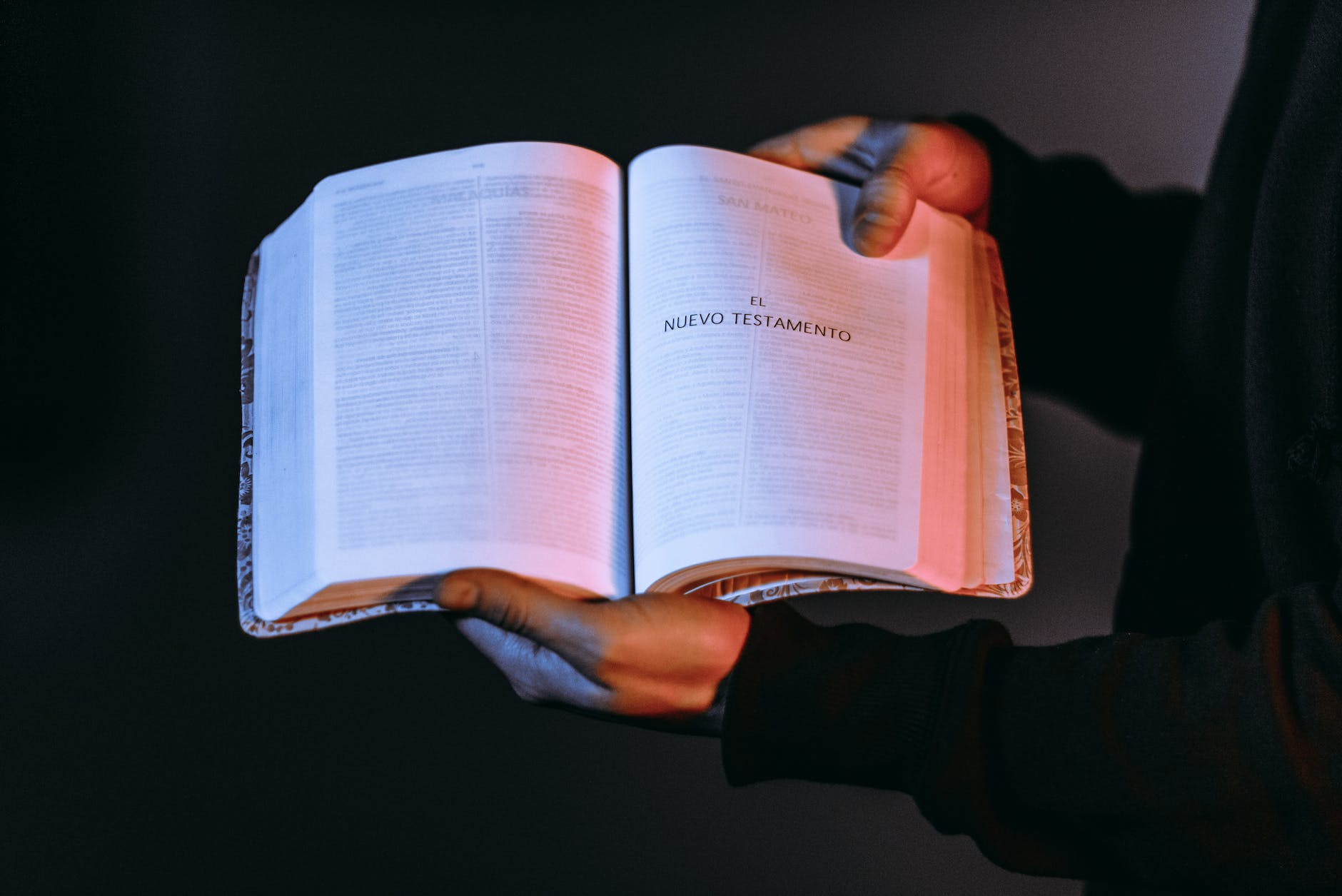
What we know as the Holy Bible was tampered with by mistaken language translations, unenlightened scribes, and even by zealots seeking religious power and control. Therefore, the Bible does contain statements that are indeed not based in truth.
Most of the early Christians were from the lower, uneducated classes, and, in fact, very few people were literate in those days. Local scribes who copied the early Christian texts were usually secular elders who could read and write or knew Hebrew, Latin or Greek. But they were not biblical scholars. Not only did they make copying errors, it is believed that some of these scribes deliberately modified certain parts to proclaim their own biases.
Because of these errors in both transcribing and interpreting the various Books of the Bible in four different languages, to say there is an original Word of God is obviously unfounded. There is no original Bible left for any of us to know about.
As so adamantly proclaimed by New Testament scholar, Gerd Ludemann: “The view of the Bible as the Word of God or Holy Scripture belongs to a past time. Today it hinders understanding. The Bible is the word of human beings.” BEWARE of literalists who will try to tell you otherwise.
The Roman Catholic canonists who interpreted the Bible didn’t understand this subtle language concerning our inner life; consequently, the Kingdom of Heaven as an internal state of consciousness is mentioned only once in the Bible, in Luke 17:21: “The Kingdom of God is within you.” And this inner Kingdom is never explained; it is only metaphorically described, such as a treasure in the field, a mustard seed, or an innocent childlike way of being.
Having studied directly with the living Jesus, the early Gnostics had been given a deep comprehension of the mysteries of the Kingdom of Heaven. Some believe that the Jesus story is a myth or symbolic and has an esoteric meaning. The truth is, our present English Bible is a re-translation of the Canon of Scripture, re-edited and overwritten by the Roman Catholic canonists in the 2nd Century to conform to an already hardening theology embedded in the Orthodox Christian creeds. The Bible is a number of writings selected by these early Church canonists intent upon defining Christian theology in their own version of Jesus’ teachings.
The writings and gospels they rejected became the Aprocrypha, considered not worthy to be included. Ironically, the original meaning of the word apokruphos is “secret knowledge too profound to be given to ordinary people.” And there were many apocryphal writings and gospels in circulation during the first three centuries after Jesus’ death, but the apostle John’s gospel was the only one that made it into the Canon of Scripture.
 Apostolic Pentecostal Network
You must be logged in to post a comment.