“What epitomized the degeneration of Christianity was the convenient conversion of Emperor Constantine after his victory at the Battle of the Milvian Bridge in 312. Following this event Christianity was legalized under the Edict of Milan in 313, hastening the Church’s transformation from a humble bottom-up revolution to an authoritarian top-down empire.

Christianity took its definitive form in the fourth century church councils, creeds and canons. The theological assertions and descriptions of Jesus from these councils are mind-boggling, and Jesus would have not been able to make heads or tails of them.
When asked about his relationship with the Father, Jesus insisted: “The Father is greater than I” (John 14:28). In Luke 18:19 Jesus said, “Why do you call me good? No one is good except God alone.” These and other statements of Jesus were meant to put the brakes on the formation of any kind of Jesus-worshipping cult. Jesus would not have been able to make sense of the Christology produced by the early church councils, and would have failed miserably in being an orthodox Christian.
Jesus had a long and tortuous path to divinity, getting more than a little boost early on from a Roman Emperor and the church councils in the fourth century. At the conclusion of the Council of Nicaea, a council summoned by Constantine hammered out who Jesus was so that Christianity might better serve as a stable glue for his sprawling empire. It’s a real stretch to get from the Bible that Jesus ever claimed to be the Second Person of the Trinity, or that he ever claimed to exclusively be God in the way Christian orthodoxy holds.
But none of this is the fault of Jesus. Christianity made Jesus into God, letting people off the hook from coming to terms with his humanity, and coming to terms with our divinity.
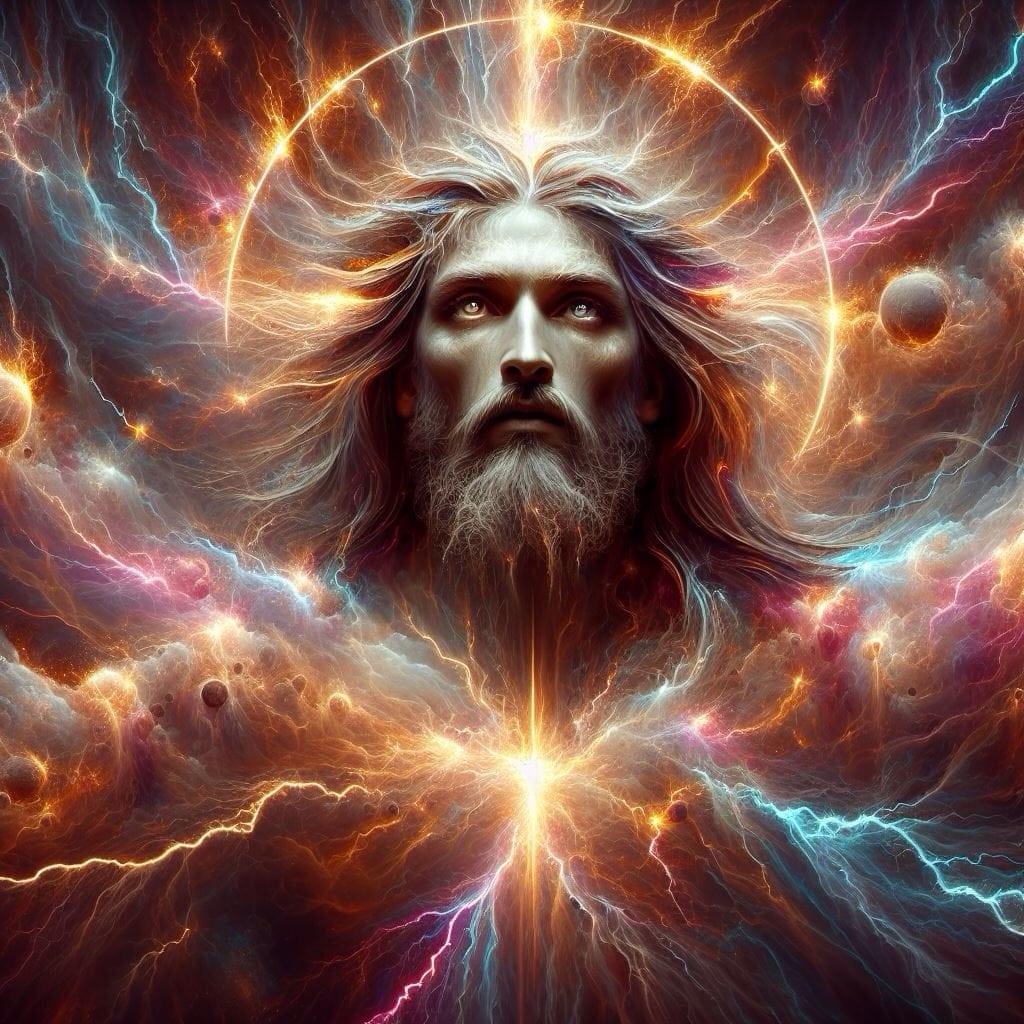
The whole point of Jesus was to deliver the message that we all are divine and human. Our life’s journey is expressing our transcendence in a body-mind lived human experience. The mission of Jesus was to correct the religious falsehood that humankind and God are separated, and to bear witness to the reality that humankind and God are one. When Jesus said “I and the Father are one”, he was not speaking as a 1st Century Jew in Palestine, he was speaking as a representative of the entire human race.
One wonders what Christianity would have become had Constantine not hijacked it and political church councils had not corrupted it. You will never understand Jesus or his first followers correctly until you disentangle them from the religious and political establishment that created the Christian religion as a tool for domination and control.”
 Apostolic Pentecostal Network
You must be logged in to post a comment.