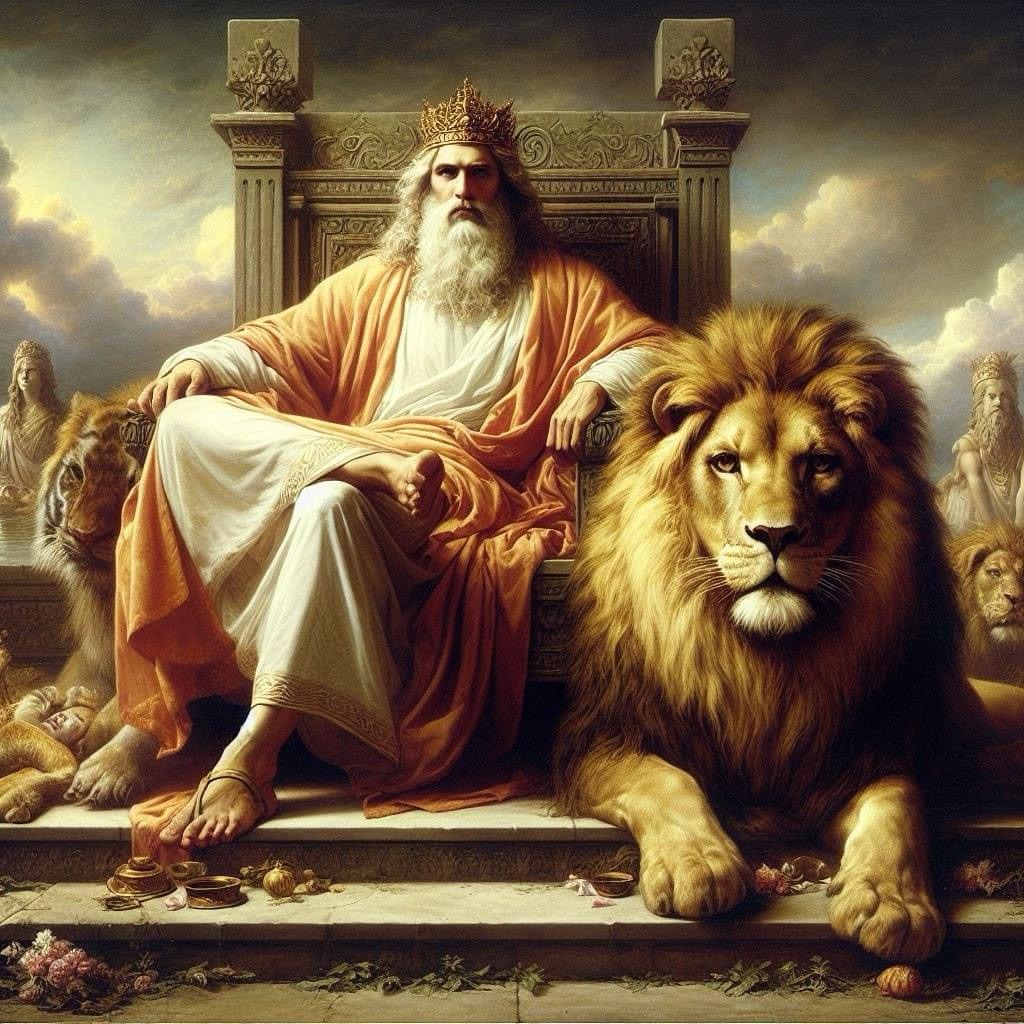
The Lord’s Prayer, also known as the Our Father, can be interpreted through a Gnostic perspective as a powerful invocation for spiritual growth and self-realization. Here’s a breakdown of the prayer from a Gnostic viewpoint:
- “Our Father, who art in heaven” – The divine parent, the source of all being, resides within the higher realms of consciousness.
- “Hallowed be thy name” – May the divine name, symbolizing the true self, be revered and acknowledged.
- “Thy kingdom come” – May the divine kingdom, representing the state of enlightenment and unity, manifest within us.
- “Thy will be done, on earth as it is in heaven” – May our actions align with the divine plan, just as the higher self operates in harmony with the universe.
- “Give us this day our daily bread” – Provide us with the spiritual nourishment and sustenance we need for our journey.
- “And forgive us our trespasses, as we forgive those who trespass against us” – Release us from our ego’s limitations and judgments, just as we release others from our own expectations and judgments.
- “And lead us not into temptation, but deliver us from evil” – Guide us through the challenges of the material world, protecting us from the illusions and deceptions of the ego.
- “For thine is the kingdom, and the power, and the glory, forever” – The divine kingdom, power, and glory reside within us, eternally.
In a Gnostic context, the Lord’s Prayer becomes a powerful tool for:
- Invoking the divine presence within
- Aligning with the divine plan
- Seeking spiritual nourishment
- Releasing ego limitations and judgments
- Overcoming material world challenges
- Embracing the eternal, divine nature within
This interpretation encourages the individual to seek inner transformation, unity with the divine, and spiritual growth, aligning with the core principles of Gnosticism.
 Apostolic Pentecostal Network
You must be logged in to post a comment.