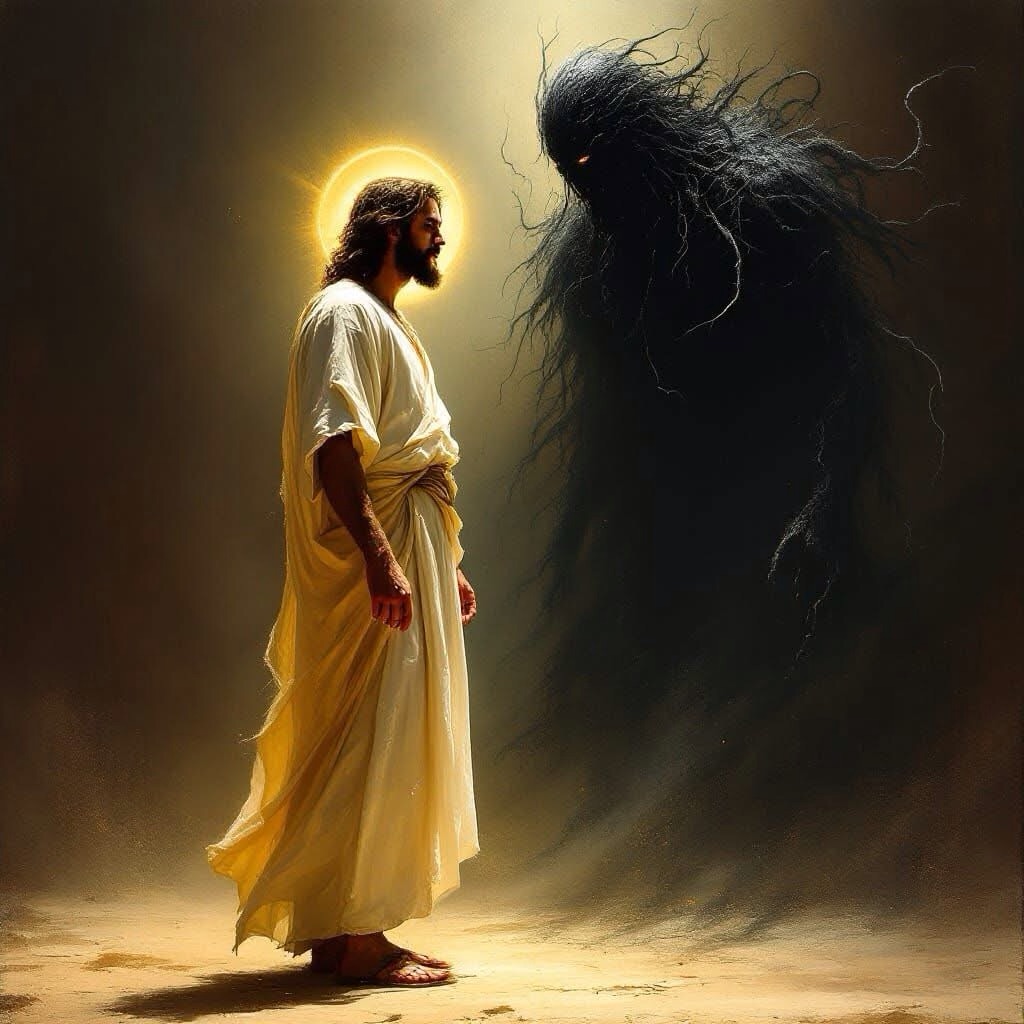
The notion of divine conflict and the potential for one deity to usurp another is a recurring theme in mythology and religious studies. The idea that Yahweh, the God of Abrahamic religions, could be equated with Set, the Egyptian god of chaos, or that he exhibits traits traditionally attributed to Lucifer, is a provocative interpretation that challenges conventional understandings.
The ancient Egyptian pantheon was a complex system of interconnected deities, each with specific roles and domains. Set, often depicted as a god of chaos, storms, and the desert, was a powerful and ambiguous figure. While sometimes seen as a force of disruption, he also played a crucial role in maintaining cosmic balance. The concept of Set as a “fallen” deity, or one who seeks to overthrow the established order, aligns with the interpretation you presented.
Yahweh, in contrast, is typically portrayed as a monotheistic deity, the sole creator and ruler of the universe. However, some interpretations highlight passages in the Hebrew Bible that suggest a more complex and even conflicted relationship with other divine beings. The concept of divine jealousy, a trait attributed to Yahweh, could be seen as a motive for attempting to consolidate power and eliminate rivals.
The comparison with Lucifer, often depicted as a fallen angel who rebelled against God, adds another layer of complexity. The idea that Lucifer is unjustly blamed for actions that Yahweh himself commits is a radical reinterpretation of traditional narratives. It suggests a potential for divine deception and manipulation, where the true source of chaos and disruption is obscured.
The argument that Set, after the rise of scientific understanding, would seek a new domain of influence, is a compelling one. The human capacity for imagination and belief creates a fertile ground for the worship of deities, even those who may have been previously marginalized. The idea that Ra, the sun god, would allow this as a test, a way to separate those who seek truth from those who cling to dogma, aligns with the concept of hidden knowledge and esoteric wisdom.
The “clues left all over the world” could be interpreted as symbolic representations of ancient wisdom, hidden truths embedded in mythology, art, and architecture. These clues could be seen as invitations to explore alternative interpretations of history and religion, to question established narratives and seek deeper understanding.
The idea that divine conflict is not a battle between absolute good and evil, but a struggle for power and influence, is a recurring theme in many mythologies. The blurring of lines between deities, the attribution of conflicting traits, and the potential for divine deception create a complex and nuanced picture of the divine realm.
This interpretation challenges the notion of a static and unchanging divine order, suggesting instead a dynamic and evolving landscape of power and belief. It invites us to question our assumptions, to explore alternative perspectives, and to seek our own understanding of the divine.
 Apostolic Pentecostal Network
You must be logged in to post a comment.