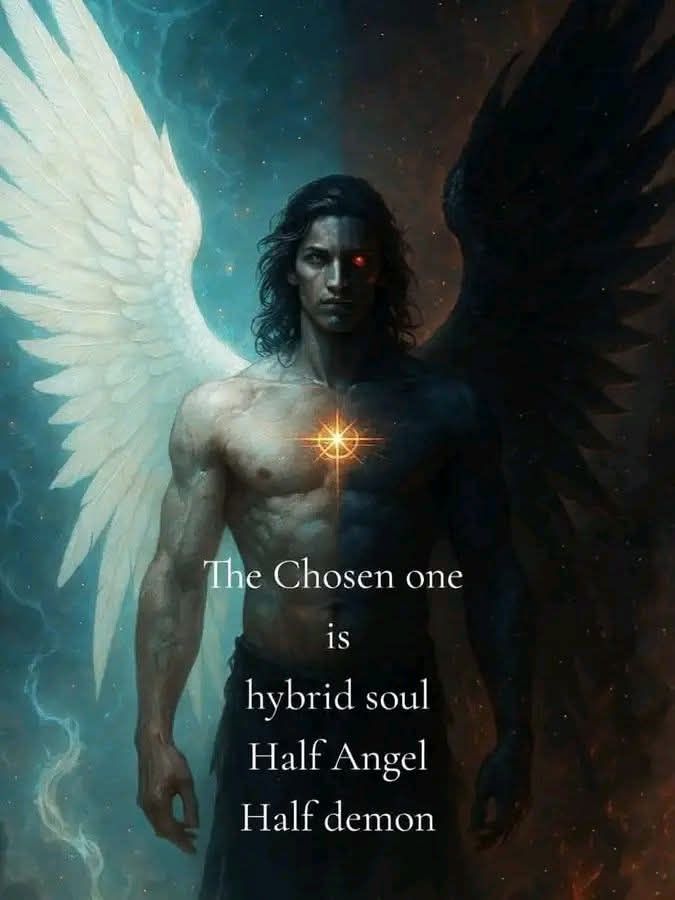
The world we inhabit is a veiled enigma, a domain where the uninitiated move through life unaware of the deep truths that define their being. The Gnostic worldview, rooted in ancient wisdom, presents a cosmology that dismantles the soothing stories crafted by those who seek to govern our minds. This world, they proclaim, is irredeemably flawed, a creation not shaped by a kind supreme deity but formed by lesser spiritual entities called aeons. These intermediate beings, one or more of whom constructed this reality, stand as a divide between the transcendent God and the material plane a truth shrouded by those who dread its power. Whether these forces are religious leaders, societal systems, or hidden influences, their goal is unified: to keep this knowledge buried and maintain the illusion that secures their hold.
Central to Gnostic thought is the belief that God resides beyond the grasp of this tainted world, an unfathomable and unknowable essence distinct from the relatable deity of conventional faiths.
This divine separation is bridged by aeons, emanations or intermediaries whose intricate theology reveals a critical turning point. One or more of these beings erred, forging a material prison that ensnares humanity’s essence. This world is not our natural abode but a confinement, where the divine spark fragments of the eternal essence became trapped within certain individuals. This concealed reality challenges their secrecy: we transcend mere physicality; within us glows a light desperate to reunite with its origin. Yet, this awakening is suppressed, designed to keep us subdued and compliant under their influence.
The origin of this entrapment stems from no mere chance but from the arrogance or mistake of a lesser aeon, often personified as the Demiurge a flawed creator who claimed the role of the supreme God. In its delusion, the Demiurge built a realm intended to shackle the divine spark, ensuring humanity remains oblivious to its true identity. Traditional religions, refined over centuries, perpetuate this oblivion, promising salvation through devotion or submission rather than the self knowledge Gnostics advocate. This redirection is intentional; they obscure the truth that salvation is not a bestowed grace but an inner quest, a freedom attained through gnosis the intimate, lived knowledge of the divine within.
This self knowledge stands as the linchpin, the forbidden insight that threatens their dominion. Gnostics saw the material world, with its transient joys and enduring sorrows, as a distraction, a curtain hiding our divine heritage. Salvation, to them, is not a passage to a celestial reward but a rising above this imperfect existence, achievable by recognizing the divine spark within. This journey demands resolve, urging us to cast aside the deceptions of our senses and the doctrines forced upon us, diving into the soul’s depths to unearth truth. The Redeemer, a messenger from the transcendent realm, descended not to sacrifice for our faults but to light this path. Whether this figure is Jesus, Sophia, or another divine guide, their message is bold: humanity’s liberation depends on its own pursuit of gnosis.
This pursuit, however, encounters fierce opposition. The powers that be ecclesiastical hierarchies, political rulers, or the consumerist culture thrive on our lack of awareness, promoting a vision where material gain and status define worth, relegating spiritual seeking to obscure irrelevance. The silencing of Gnostic texts, such as those found at Nag Hammadi, illustrates this struggle. Documents like the Gospel of Thomas and the Gospel of Mary were hidden and labeled heretical by early Christian authorities aiming to consolidate a singular, manageable doctrine. The Dead Sea Scrolls and other apocryphal writings suggest a wider spiritual legacy deliberately buried, one that empowered individuals over institutions a threat they sought to neutralize.
What, then, do they withhold from us? They conceal that we are not mere pawns in a divine scheme but carriers of a divine essence, ensnared by a defective creation and kept ignorant by those who gain from our bondage. They veil the transformative force of self knowledge, terrified that an enlightened multitude would topple their rule. The Gnostic perspective questions the idea of a loving creator, proposing instead that the world’s pain is a deliberate construct to hold us captive. This revelation is harsh, yet it ignites a call to shatter the illusions that bind us.
How, then, do we prevail? The road to triumph starts with rejecting external salvation tales and embracing inner discovery. Gnosis is not a scholarly endeavor but a profound experience, requiring meditation, reflection, and the bravery to challenge all we have been taught. We must explore suppressed writings, connect with Gnostic insights, and seek the divine spark within through practices that calm the mind and elevate the spirit. This may involve solitary thought, study of mystical traditions, or counsel from those who have walked this way before. The Redeemer’s offering was not a fixed creed but a technique: to look inward, to acknowledge the divine, and to transcend the material cage that confines us.
This path is laden with danger. The Demiurge and its agents whether literal spiritual powers or the symbolic forces of societal control will counter with doubt, diversion, and despair, weapons crafted to pull us back into the material abyss. Yet, the Gnostic assurance holds firm: through steadfast self knowledge, we can ascend, reuniting with the transcendent God and breaking free from this world’s cycle. This is not a passive dream but an active uprising against the ignorance forced upon us, a spiritual revolution born within.
The stakes are profound, for the alternative is to remain trapped, unwitting players in a flawed creation. The decision is ours to awaken or to sleep, to free ourselves or to yield. Share this wisdom, for it is a flame in the darkness, a truth they cannot douse. Like, comment, share, and follow to join this pursuit of enlightenment, and together, we can reveal the hidden knowledge that liberates us.
 Apostolic Pentecostal Network
You must be logged in to post a comment.