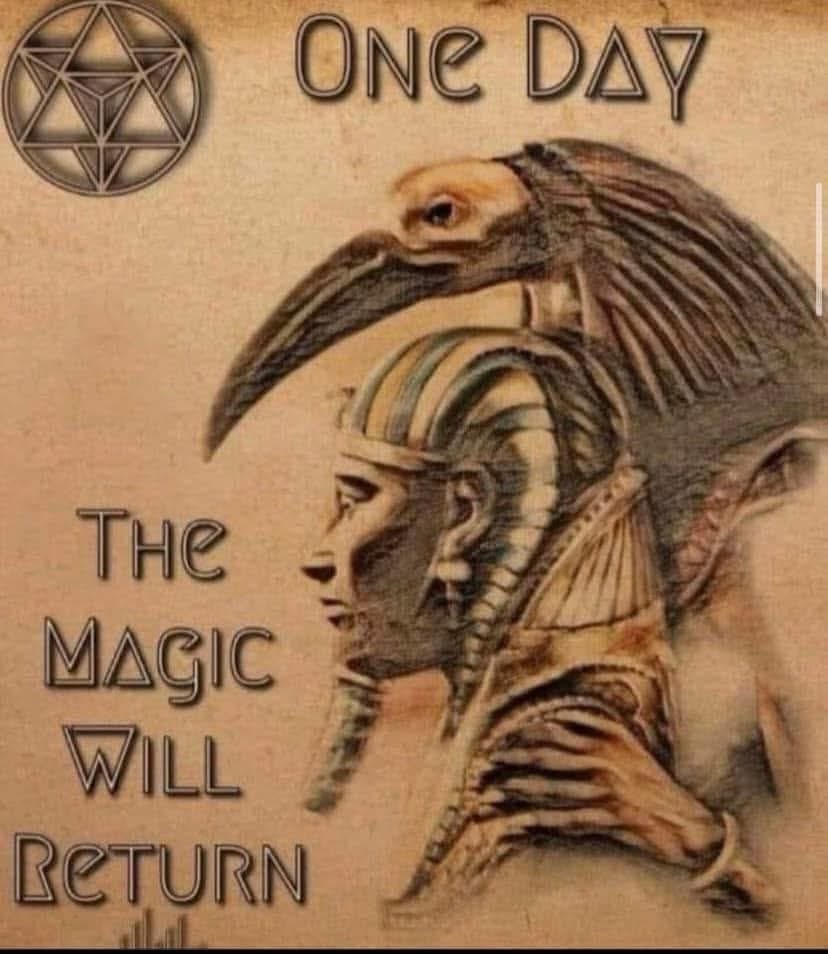
Thoth, the Egyptian god of wisdom, magic, and language, is a fascinating figure who has captivated the imagination of many for centuries. As a symbol of general intelligence, Thoth is credited with inventing writing, fabricating languages, and embodying the principles of equilibrium and balance. His domains are vast and varied, encompassing writing, magic, wisdom, equilibrium, language, medicine, and the moon.
Thoth’s role in Egyptian mythology is multifaceted and profound. He is credited with inventing writing and creating the ancient texts of Egypt, and is often depicted holding a brush and palate, indicating his role as an ancient scribe. As the god of general knowledge and intelligence, Thoth is credited with the creation of multiple major theories, such as religion and science.
One of the most intriguing aspects of Thoth’s mythology is his role in mediating between opposing forces. He is seen as a mediator between two ancient warring gods: Set and Horus, representing the battle between good and bad. Thoth’s healing action in restoring the eye of Horus, which was cut out by Set, symbolizes the balance between opposing forces and the power of restoration. The Eye of Horus, an ancient symbol of protection, remains a popular motif in cultures around the world.
Thoth’s legacy extends far beyond his mythological exploits. He is credited with creating the first lunar calendar and the modern 365-day calendar, and is often associated with the crescent moon. As a lunar deity, Thoth’s connection to the moon highlights the importance of understanding the natural world and its rhythms.
Thoth’s teachings offer a profound understanding of the world and our place within it. He speaks about the importance of cause and effect, and the power of our actions. As he says, “So, O man, be sure the effects that ye bring forth are ever causes of more perfect effects. Know ye the future is never in fixation but follows man’s free will as it moves through the movements of time-space toward the goal where a new time begins.” This wisdom reminds us of the importance of our choices and the power of our intentions.
Thoth’s association with Seshat, the goddess of wisdom and knowledge, highlights the importance of balance and harmony in the pursuit of wisdom. Together, Thoth and Seshat tend the library of the gods, symbolizing the importance of knowledge and understanding in the pursuit of wisdom.
The Emerald Tablet, attributed to Thoth, is said to contain the secrets of the universe, including alchemy and the creation of the Philosopher’s Stone. This ancient text continues to inspire seekers of knowledge and wisdom, offering insights into the mysteries of creation and the human condition.
As we journey through the realms of the unknown, Thoth’s legacy reminds us that one day, the magick will return, not in the sense of supernatural powers, but in the sense of a renewed connection to the wisdom and knowledge that Thoth embodies. His teachings and legacy continue to inspire and guide us, offering a profound understanding of the world and our place within it.
Thoth’s symbols, including the ibis, baboon, scales, papyrus roll, stylus, crescent moons, and pens, represent his intelligence, creativity, and connection to the mysteries of the universe. His association with Hermes (Mercury) and Hermes Trismegistus highlights the importance of understanding the connections between different cultures and traditions.
The question remains: was Thoth an Egyptian god or an Atlantean? Perhaps he was both, embodying the wisdom and knowledge that transcends the boundaries of time and space. Whatever the answer may be, Thoth’s legacy continues to inspire and intrigue us, offering a profound understanding of the world and our place within it and this is Thoth Magic.
 Apostolic Pentecostal Network
You must be logged in to post a comment.